
Photo by: Davidi Vardi, CC BY-SA 4.0 , via Wikimedia Commons
At the base of Andrássy Avenue Budapest – Panoramic view of Heroes’ Square in Budapest with the Millennium Monument and statues of Hungarian leaders under a blue sky.
Unlocking Andrássy Avenue in Budapest: 12 + verborgene Geheimnisse des Viertels VI
Andrássy Avenue Budapest is in District VI, known as Terézváros. It is one of Budapest’s most culturally rich and architecturally stunning areas. Home to the grand Andrássy Avenue, part of Budapest’s UNESCO World Heritage property, which also includes the historic banks of the Danube and the Buda Castle Quarter – this district features world-renowned theaters and historic cafés. Terézváros offers a perfect blend of old-world elegance and modern vibrancy, connecting the bustling city centre with the tranquil City Park. Whether you’re an art lover, a history enthusiast, or simply someone who enjoys a leisurely stroll through beautiful streets lined with elegant palace buildings and historic villas, Terézváros has something to captivate you. Join us on a walking tour through this district, where every step reveals a new facet of Budapest’s cultural heart, from Buda’s historic charm to Pest’s vibrant energy.
1. Start at Heroes’ Square (Hősök tere)
Why Start Here: Begin your journey at Heroes’ Square, one of the most iconic and grandiose squares in Budapest. Located at the end of Andrássy Avenue where the avenue ends at the entrance to City Park (Városliget), this square is a fitting starting point for your exploration of Terézváros, symbolizing the city’s rich history and national pride. Heroes’ Square was developed to commemorate Hungary’s 1896 millennium celebrations, although construction of its monuments continued into the early 20th century.
What to See:
Millennium Monument: Admire the imposing Millennium Monument, featuring statues of Hungary’s historical leaders and the seven chieftains who founded the nation. The monument commemorates the 1,000th anniversary of the Hungarian conquest of the Carpathian Basin, when Hungary celebrated its foundational moment in 1896.

Museum of Fine Arts and Műcsarnok: On either side of the square, you’ll find the Museum of Fine Arts, housing a vast collection of European art, and Műcsarnok (Hall of Art), which showcases contemporary art exhibitions. The area also connects to the University of Fine Arts, making this cultural quarter particularly significant. Consider visiting one or both museums to start your day with a cultural experience.
2. Discover Kodály Körönd

An Architectural Circle: f you’re walking from Heroes’ Square toward the city centre, you’ll encounter Kodály körönd before reaching the House of Terror Museum and the Opera House. This elegant circular square is named after the composer Zoltán Kodály.
What to See:
Historic Villas: The körönd is surrounded by magnificent neo-Renaissance villas and palace buildings, many designed in the 1880s. These structures represent some of the most prestigious residential architecture in the city.

Mai Manó House: Located at Nagymező utca 20, near the Opera House rather than Kodály körönd, this historic photography centre is worth visiting for its architecture and exhibitions. Check the official Mai Manó House website for current exhibitions and opening arrangements.
3. Walk Down Andrássy Avenue
Budapest’s Champs-Élysées: From Heroes’ Square, begin your walk down Andrássy Avenue, Budapest’s most famous boulevard and a designated UNESCO World Heritage Site. This elegant avenue in Budapest, stretching from the city center to City Park, was inaugurated in the 1880s and named after Count Gyula Andrássy, who served as Prime Minister. The avenue was designed to rival the grand boulevards of Paris, and the history of Andrássy Avenue reflects Budapest’s aspirations during the Austro-Hungarian era.
What to See:
Historic Mansions: As you stroll along Andrássy Avenue, take in the beautiful architecture of the historic mansions and palace buildings that line this grand avenue. Many of these elegant structures now house embassies, offices, and cultural institutions, showcasing the high-end character of the district.Embassy Row: Pass by Embassy Row, where you’ll find the grand embassies of various countries, each housed in a stately palace that reflects the diplomatic importance of the area and the avenue’s prestigious status.
Underground Railway: BUnderground Railway: Beneath Andrássy Avenue runs the historic M1 Millennium Underground Railway, opened in 1896. It was the first underground railway in continental Europe and remains a convenient way to travel between central Pest and City Park..
Boutiques and Cafés: Andrássy Avenue is also home to some of Budapest’s most luxurious boutiques, including high-end stores like Louis Vuitton, and charming cafés. If you’re in the mood for a coffee or a pastry, stop by one of the elegant cafés for a quick refreshment.

Hidden Courtyards of Kodály körönd: While the façades of Andrássy Avenue shine with neo-Renaissance elegance, some interiors tell a more complex story. At Hübner Court (Andrássy út 94), for example, fading plaster, mosaic floors, and wrought-iron staircases reveal the grandeur of the past alongside the wear of time. These hidden courtyards remind visitors that Andrássy Avenue is not just a polished boulevard but also a living piece of history where beauty and decay coexist.
4. Visit the House of Terror Museum
A Sobering Historical Experience: Midway along Andrássy Avenue, you’ll come across the House of Terror Museum, a powerful and thought-provoking museum dedicated to the victims of the fascist and communist regimes in Hungary. The building was used by Hungary’s Arrow Cross movement and later by the communist political police, during a dark period when parts of the avenue were even named after Hitler and Mussolini.

What to Explore:
Museum Exhibits: Museum Exhibits: The museum explores persecution under Hungary’s Arrow Cross and communist dictatorships, particularly during the 1940s and 1950s. Its exhibitions offer a sobering introduction to some of the darkest chapters of Hungary’s 20th-century history.

Memorial Wall: Outside the museum, the Memorial Wall honors those who lost their lives during these dark periods. Take a moment to reflect before continuing your walk along the avenue.
5. Stop by the Hungarian State Opera House

A Cultural Icon: Continuing toward the city centre along Andrássy Avenue, you’ll reach the Hungarian State Opera House, one of Budapest’s most beautiful and acoustically renowned buildings. Designed by Miklós Ybl and completed in 1884, this neo-Renaissance palace masterpiece is a must-see for anyone interested in architecture and the performing arts, including the Hungarian State Opera’s world-class performances.
What to See:
Exterior and Interior: Admire the ornate façade of the Opera House, with its grand arches, statues, and intricate detailing that exemplifies the buildings along Andrássy Avenue’s architectural grandeur. If possible, step inside to see the equally stunning interior, featuring marble staircases, gilded decorations, and lavish frescoes.
Opera House Tours: Visitors interested in the building’s spectacular interiors can check the Hungarian State Opera’s official website for current guided-tour arrangements and performance schedules.
Attend a Performance: If time allows and you’re a fan of classical music or opera, consider attending a performance. The experience of watching a show in such a historic and opulent setting is truly unforgettable, showcasing why this venue remains at the heart of Budapest’s cultural scene.
6. Visit the Ernst Museum

The former Ernst Museum, established in 1912 by art collector Lajos Ernst, is an important part of Budapest’s exhibition history. Located on Nagymező Street near Andrássy Avenue, the historic building is worth noting for its cultural heritage. It should not, however, be treated as a regularly operating museum without checking its current use and visitor access.
7. Explore Liszt Ferenc Square (Liszt Ferenc tér)

Café Culture and Music: Just off Andrássy Avenue via a charming side street, Liszt Ferenc tér is a lively and picturesque square named after the famous Hungarian composer Franz Liszt. This square, accessible through a side street off Andrássy, is the perfect spot to take a break and enjoy Budapest’s vibrant café culture while remaining close to the Danube’s eastern banks.
What to See:
Statue of Franz Liszt: At the center of the square, you’ll find a statue of Franz Liszt, paying tribute to the composer’s enduring legacy. The square is also home to the Liszt Academy of Music, a prestigious institution for music education that continues the musical traditions linking Budapest and Vienna.

Cafés and Restaurants: Liszt Ferenc tér is lined with outdoor cafés and restaurants, making it a popular spot for both locals and tourists. Take a seat at one of the terraces, order a coffee or a glass of wine, and soak in the atmosphere of this charming corner near the avenue.
8. Visit the Franz Liszt Academy of Music
A Musical Heritage: Adjacent to Liszt Ferenc tér, the Franz Liszt Academy of Music is a world-renowned institution that has educated many of Hungary’s greatest musicians. The Academy’s magnificent Art Nouveau building was designed by Flóris Korb and Kálmán Giergl and opened in 1907. Its richly decorated interiors and concert halls make it one of Budapest’s most remarkable musical landmarks.
What to Explore:
Concert Hall: If you’re a music lover, consider attending a concert at the academy’s concert hall, known for its superb acoustics and stunning interior. Even if you don’t catch a performance, the building’s lobby and exterior are worth admiring.
Music Exhibits: The academy often hosts exhibits and events related to Hungarian music history, including tributes to Zoltán Kodály and other Hungarian composers, offering further insights into the country’s rich musical traditions.
9. Explore Side Streets and Cultural Venues
Hidden Gems: Take time to explore the various side streets that branch off from Andrássy Avenue, including Bajza Street and other charming thoroughfares. These streets often house additional cultural venues, including the Postal Museum and other specialized institutions.
What to Discover:
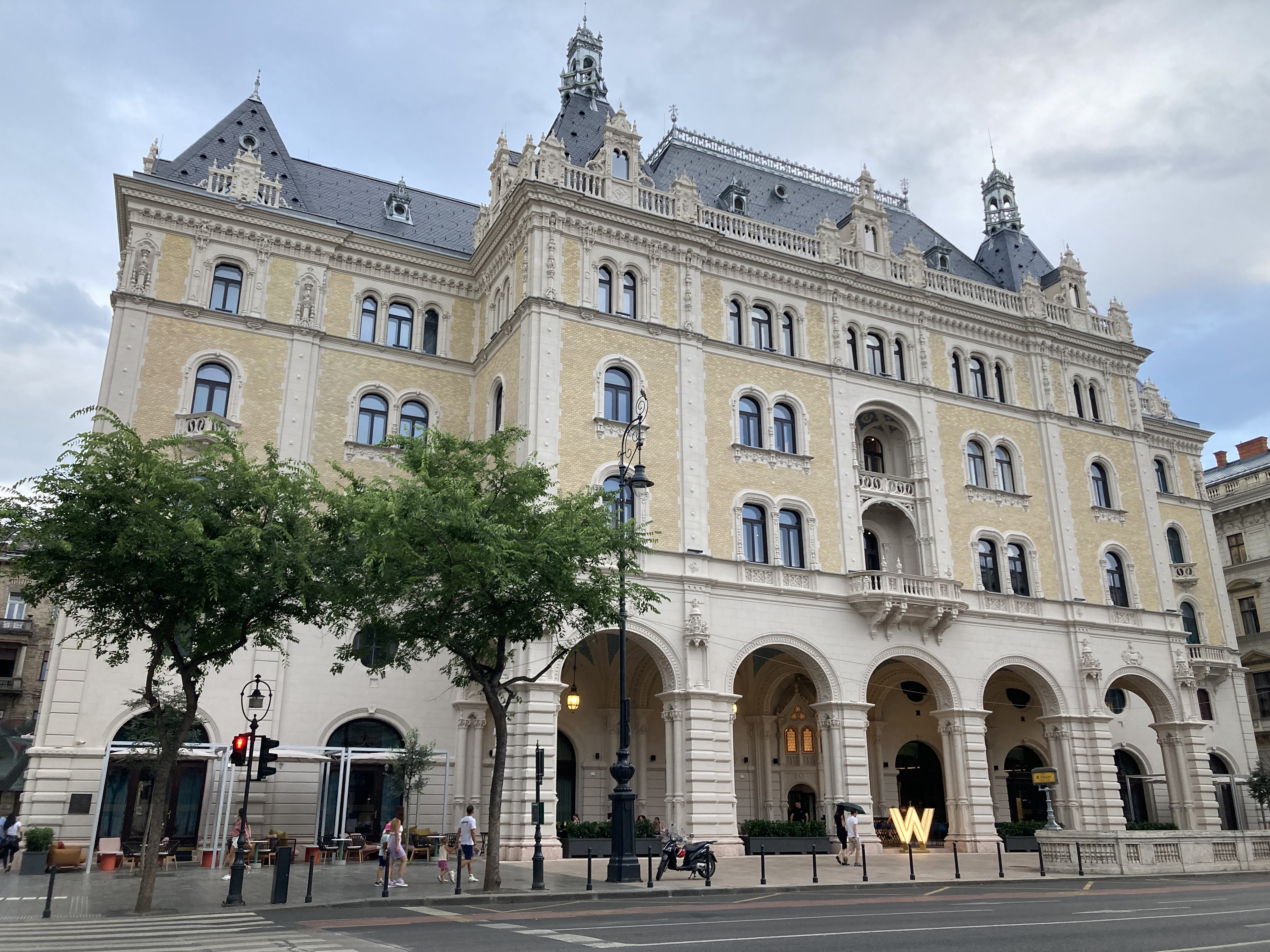
Drechsler Palace: Near the Opera House, you’ll find the beautiful Drechsler Palace, another architectural gem that exemplifies the high-end character of the district.
Paris Department Store: Along the avenue, historical commercial buildings like the former Paris Department Store showcase the area’s commercial heritage dating back to the late 19th century.
10. End Your Walk at Oktogon and Nagymező Street
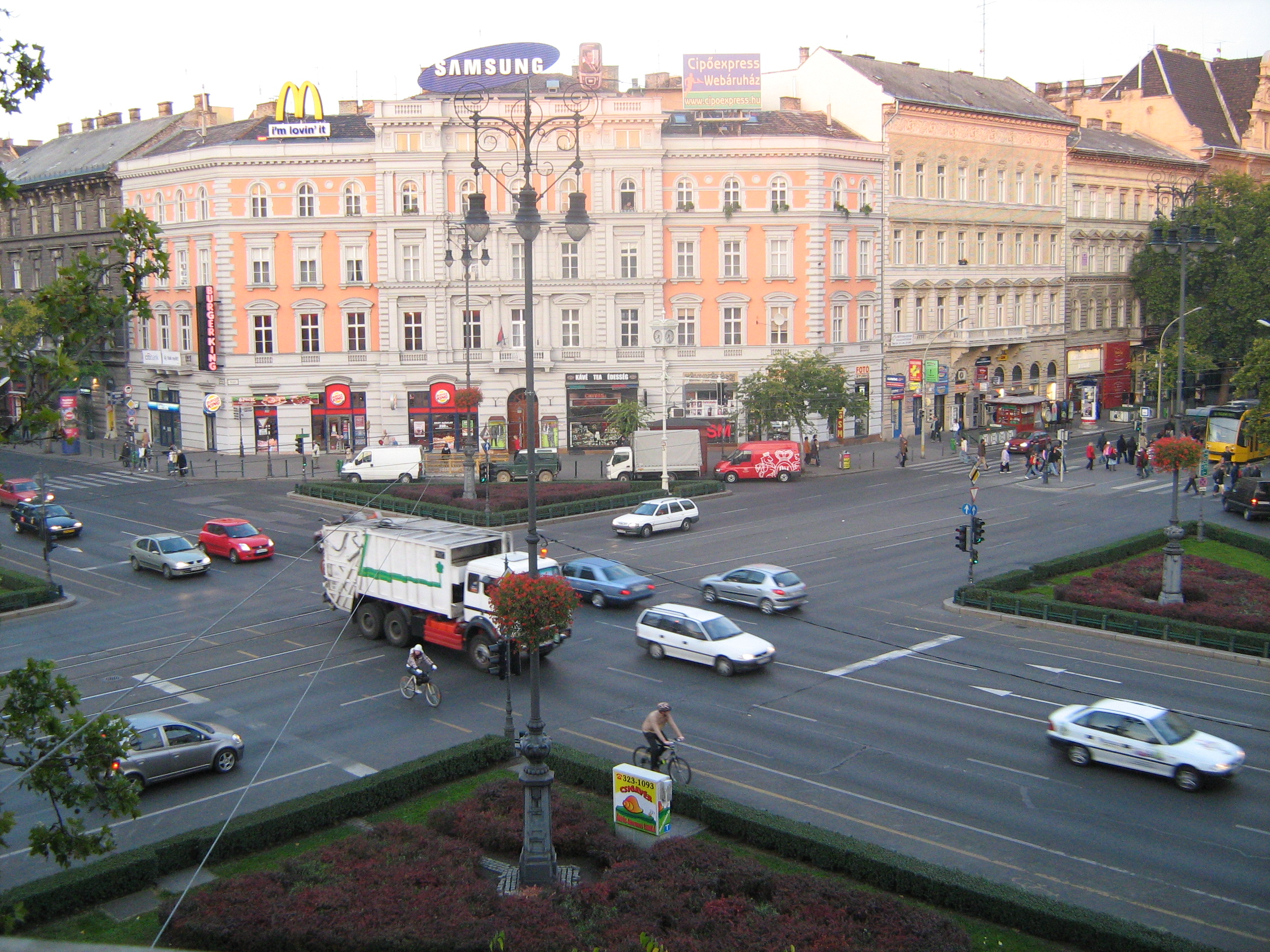
The Broadway of Budapest: Oktogon is the busy intersection where Andrássy Avenue meets the Grand Boulevard (Nagykörút). Nagymező utca lies farther toward the city centre, near the Opera House, and makes an excellent separate detour for theatres and restaurants. Nagymező Street is often referred to as the “Broadway of Budapest” due to its concentration of theaters, cultural venues, and lively nightlife, making this intersection a vital part of the city centre’s entertainment district.
What to See:
Theaters and Performances: As you walk down Nagymező utca, you’ll pass several historic theaters, including the Budapest Operetta Theatre and the Thália Theatre.
These venues continue the cultural traditions that make District VI one of Budapest’s liveliest performing-arts neighbourhoods.These venues continue the cultural traditions that make District VI one of Budapest’s liveliest performing-arts neighbourhoods.Connection to Buda Castle: From this location, you can easily access other parts of the city, including routes toward Buda Castle across the Danube, making it an excellent hub for further exploration.
Nightlife and Dining: Nagymező utca is also known for its vibrant nightlife, with a variety of bars, clubs, and restaurants to choose from. It’s a great place to end your day with a delicious dinner or a fun night out in the heart of Budapest.
Conclusion
Your walk through District VI: Terézváros has taken you on a journey through one of Budapest’s most culturally and architecturally significant areas. From the grandeur of Heroes’ Square and the UNESCO World Heritage Site that is Andrássy Avenue to the lively atmosphere of Liszt Ferenc tér and Nagymező utca, Terézváros offers a rich tapestry of experiences. The avenue is one of Europe’s most beautiful boulevards, connecting City Park with the city centre and reflecting Budapest’s remarkable growth during the late 19th century.
As you reflect on the day, you’ll appreciate the district’s blend of history, art, and modern life, from the elegant palace buildings and historic villas to the underground railway that has served the city since 1896. Whether you’re exploring the grand avenue that stretches from Pest toward the Danube or discovering the charming side streets that branch off along the avenue, Terézváros always has something new to discover. This magnificent avenue in Budapest truly represents the heart of the city’s cultural and architectural heritage, making it a must-visit destination for anyone exploring Hungary’s magnificent capital.