Foto: DepositPhoto.com – Alle Rechte vorbehalten. Nicht ohne Erlaubnis weiterverbreiten.
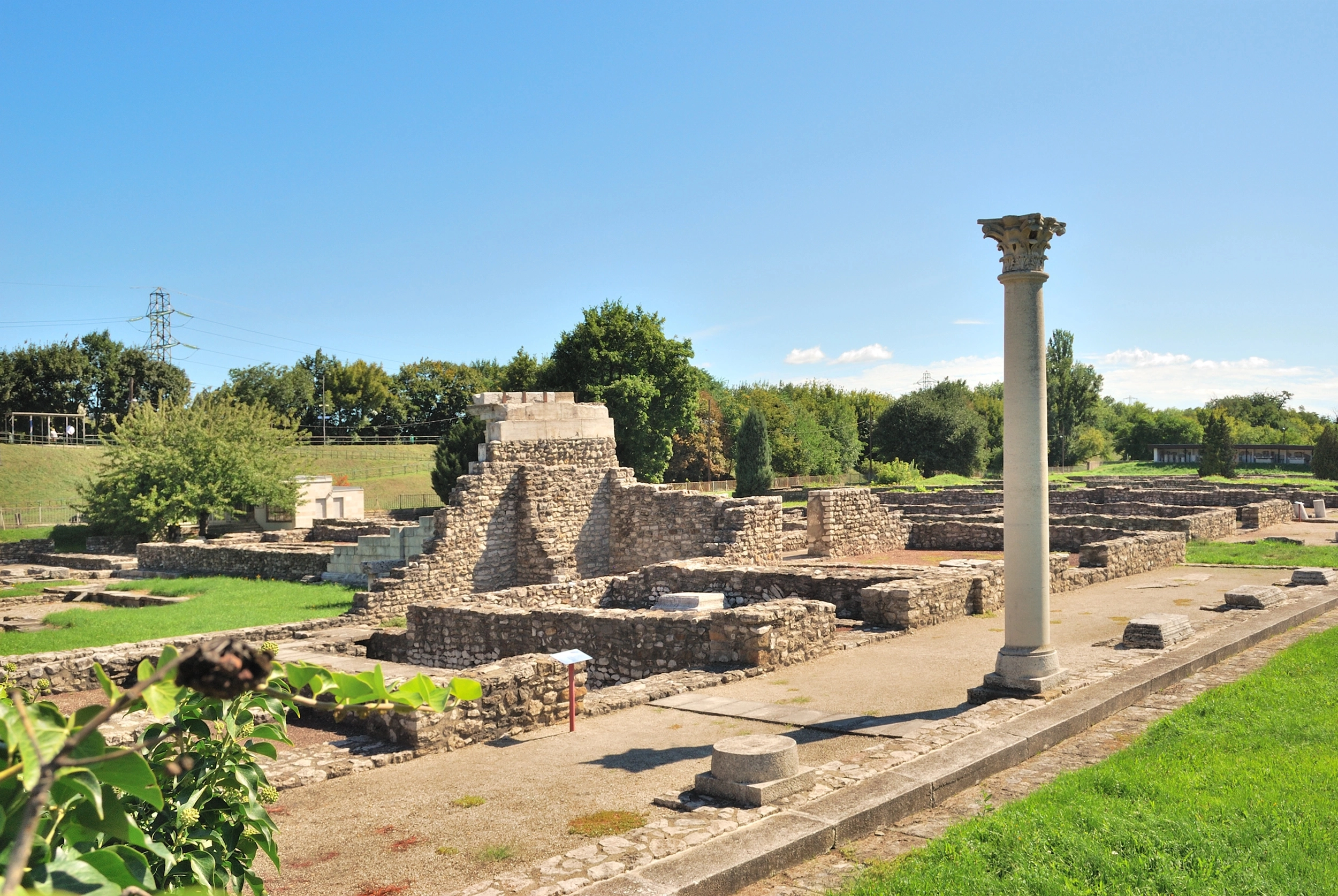
Roman ruins and a standing column at Aquincum Museum Budapest in Óbuda District III.
Aquincum Museum Budapest – Introduction
Secrets of the Roman baths come to life when you step into the Aquincum Museum Budapest, located in the historic heart of Óbuda, District III. Once a thriving Roman city, Aquincum preserves the remains of ancient bathhouses, streets, and mosaics that reveal how everyday life unfolded nearly 2,000 years ago. A walking tour here combines archaeology with storytelling, connecting Roman bathing culture to the spa traditions that still make Budapest famous today.
The Roman Legacy in Budapest

Budapest’s identity as the City of Spas has its roots in Roman times. Around the 2nd century AD, the Romans established Aquincum as the capital of the province of Pannonia Inferior. At its peak, this city had tens of thousands of inhabitants, complete with amphitheaters, villas, and public baths. For the Romans, bathing was more than hygiene — it was a daily ritual of relaxation, conversation, and business. Walking among these ruins, it’s easy to see how Roman bath culture laid the foundation for the wellness traditions that still thrive in Budapest today.
Walking Tour of the Aquincum Museum
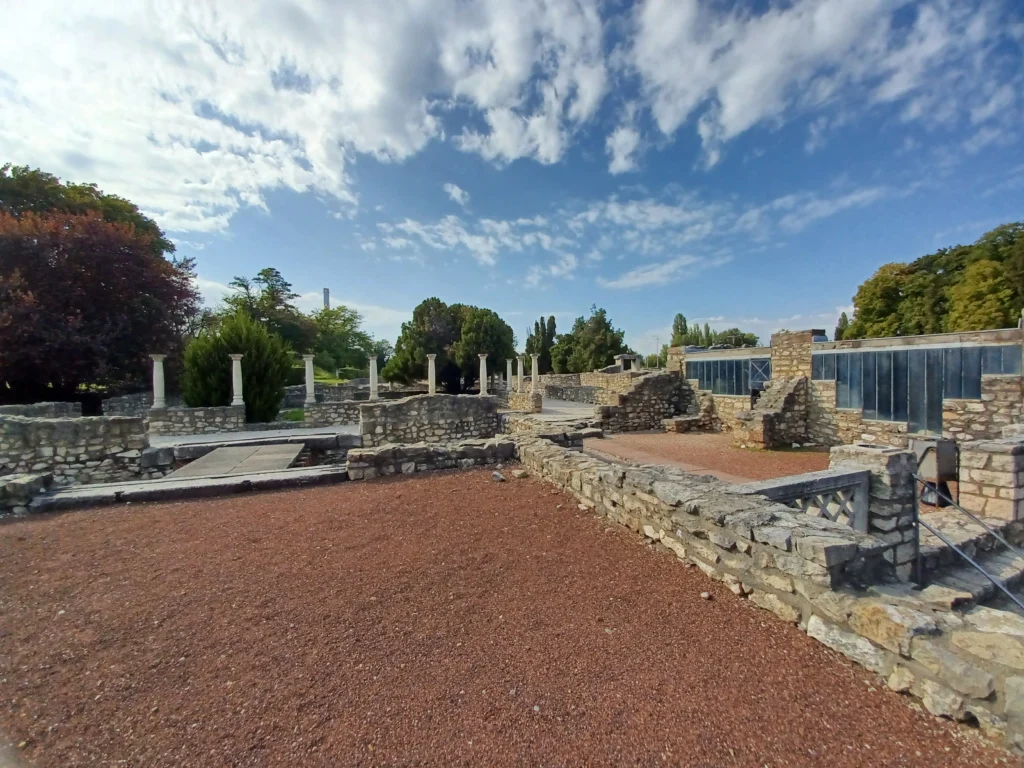
Photo by: Travel Hungary Now © – All rights reserved – Unauthorized use is prohibited.
Roman ruins with stone walls and columns at Aquincum Museum Budapest in Óbuda.
A visit to the Aquincum Museum Budapest starts with the vast Archaeological Park, where you can explore the foundations of Roman houses, marketplaces, and streets. The highlight for many visitors is the remains of the Roman baths — the stone outlines of changing rooms, pools, and heating systems. Inside the museum itself, artifacts tell the story of daily life: mosaics, inscriptions, statues, and tools used by Aquincum’s residents. Seasonal events and reconstructions make the site more interactive, allowing you to imagine how these spaces once bustled with activity.
Exploring the Roman Baths at Aquincum
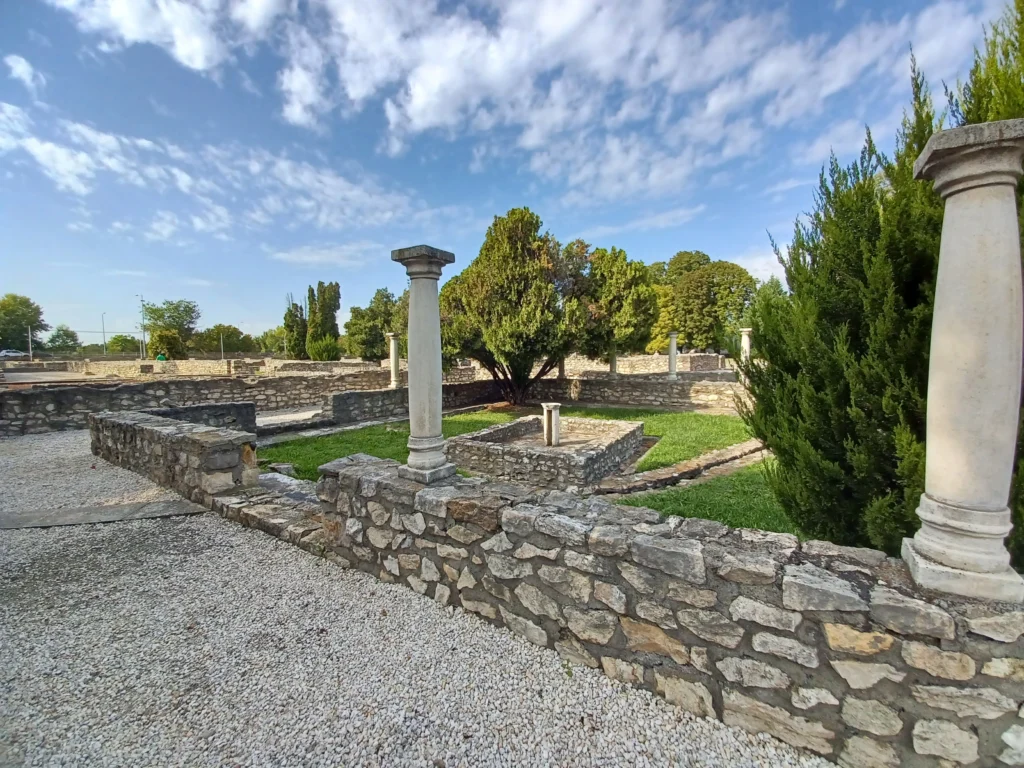
Photo by: Travel Hungary Now © – All rights reserved – Unauthorized use is prohibited.
Ruins of Aquincum Museum Budapest with stone walls and Roman columns in Óbuda District III
The Roman baths were a vital part of Aquincum’s social fabric. Visitors would pass through the apodyterium (changing room) before moving into the warm tepidarium, the hot caldarium, and finally the refreshing frigidarium. Advanced heating systems, known as hypocausts, circulated hot air beneath the floors and through the walls — a marvel of ancient engineering. At Aquincum today, you can still trace the outlines of these spaces, see reconstructed models, and learn how citizens gathered here not just to bathe but to relax, exercise, and socialize.
Practical Visitor Information
Aquincum Museum and Archaeological Park have seasonal opening arrangements, and access to the outdoor ruins may differ from the indoor exhibitions. Before visiting, check the official Aquincum Museum website for current opening hours, ticket prices, discounts, and any temporary closures. The museum is accessible using the H5 suburban railway (HÉV), with Aquincum station nearby. Guided tours and special activities may also be available.. Families will also appreciate seasonal festivals like Floralia, which bring Roman history to life with reenactments, music, and games.
Official website: https://www.aquincum.hu/
Beyond Aquincum: Roman Óbuda
While Aquincum Museum is a highlight of Budapest’s Roman heritage, other archaeological sites are scattered across Óbuda. The nearby Civilian Amphitheatre is separate from the larger Military Amphitheatre farther south. The Hercules Villa, known for its Roman mosaics, is another fascinating site. These attractions are not all within a short walk of the museum, so check their locations and visitor access before planning your route. Exploring these sites along with the Aquincum Museum gives you a fuller picture of ancient Óbuda, where both soldiers and citizens left their mark.
Conclusion
A visit to the Aquincum Museum Budapest is more than a history lesson — it’s a journey back to the world of the Roman baths. Walking through Óbuda’s ruins, you can picture citizens relaxing in the caldarium, children splashing in the pools, and merchants striking deals over a soak. From these ancient thermal traditions to today’s Széchenyi and Gellért baths, Budapest’s bathing culture spans nearly two millennia. If you want to explore the origins of the City of Spas, Aquincum is an unforgettable stop.
FAQ – Aquincum Museum and Roman Baths
Is Aquincum worth visiting?
Yes, Aquincum is absolutely worth visiting if you’re interested in history and culture. Located in Budapest’s Óbuda district, the Aquincum Museum and archaeological park showcase some of the best-preserved Roman ruins in Hungary. You can explore ancient streets, temples, and the remains of Roman baths, then step inside the museum to see mosaics, statues, and everyday artifacts from nearly 2,000 years ago. It’s a fascinating half-day trip that brings Budapest’s Roman past to life and connects directly to the city’s modern spa tradition.
Does Budapest have Roman baths?
Yes, Budapest has several Roman bath remains, and the best place to see them is at the Aquincum Museum and Archaeological Park. When the Romans settled in the area of present-day Óbuda, they built bathhouses as part of daily life. These baths followed the classic Roman layout, with heated rooms, pools, and hypocaust systems. While Budapest today is famous for its Ottoman and modern thermal baths, the Roman ruins at Aquincum show that the city’s spa culture stretches back nearly two millennia.
What is the history of Aquincum?
Aquincum began as a Roman military camp in the 1st century AD, built to guard the province of Pannonia. It later developed into a thriving Roman settlement with a civilian town, a military community, and a substantial surrounding population. By the 2nd century, Aquincum was the provincial capital, complete with an amphitheater, public buildings, villas, and baths. The city flourished for centuries until the decline of the Roman Empire in the 4th century, after which it gradually fell into ruin. Today, the remains at the Aquincum Museum offer a remarkable glimpse into Roman urban life in Central Europe.
What does Aquincum mean?
The exact origin of the name Aquincum is uncertain, although it is generally associated with an earlier Celtic or local place name rather than being derived directly from Latin. The area’s abundant springs and proximity to the Danube helped make it an important settlement long before modern Budapest developed.