Home » Uncategorized »
Best Hungarian Folk Art & Crafts in Budapest: Complete Guide
Best Hungarian Folk Art & Crafts in Budapest: Complete Guide
Budapest, the vibrant capital of Hungary, is known for its stunning architecture and rich history and its deep-rooted tradition of craftsmanship. From intricate pottery to beautifully crafted wooden furniture, the city is a treasure trove of traditional arts that have been passed down through generations. In this article, we will explore some of Budapest’s most significant traditional crafts, focusing on pottery, ceramics, and textile arts.
Historical Context of Handmade Hungarian Folk Art
The tradition of craftsmanship in Budapest has a rich history that reflects the city’s diverse cultural influences. Over the centuries, Budapest has been a crossroads of various cultures and empires, including the Roman Empire, Ottoman Empire, and Austro-Hungarian Empire. Each of these influences has contributed to the evolution of traditional crafts in the region.
In the medieval period, guilds played a crucial role in preserving and developing craft techniques. These guilds were responsible for training apprentices and ensuring the quality of the products made by their members. As Hungary experienced periods of both prosperity and turmoil, traditional crafts adapted and evolved, incorporating new techniques and styles while maintaining their unique Hungarian identity.
Key Traditional Hungarian Crafts in Budapest
Pottery and Ceramics – Hand Painted Herend Porcelain – Eosin Glased Zsolnay Porcelain
Pottery and ceramics are among the most cherished traditional crafts in Budapest. Hungarian ceramics are renowned for their quality, artistic expression, and distinctive styles.
Herend Porcelain
One of the most famous names in Hungarian ceramics is Herend Porcelain. Founded in 1826, Herend has become synonymous with luxury and elegance in porcelain craftsmanship. The company began as a small workshop producing simple household items but quickly gained fame for its exquisite designs and high-quality materials.
Herend porcelain is characterized by its detailed hand-painted patterns and intricate designs. The company produces a range of products, including dinnerware, vases, and figurines. Each piece is meticulously crafted, reflecting the skill and artistry of the artisans. Some of the most iconic patterns include the “Rothschild Bird” and “Victoria.” Herend porcelain is highly sought after by collectors and connoisseurs worldwide. Discover more lovely examples of Herend Porcelain on their Official Website
Zsolnay Porcelain
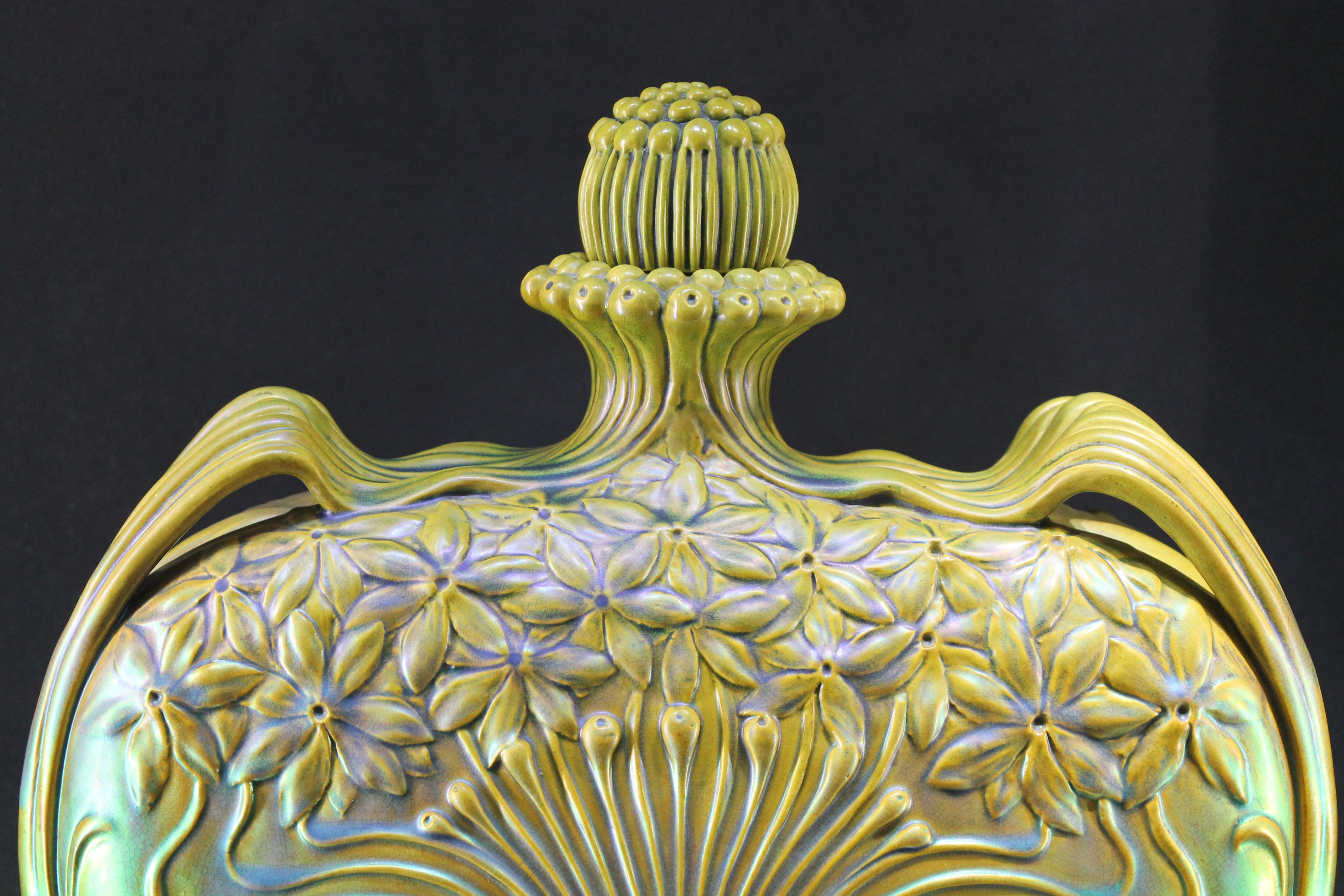
Another significant name in Hungarian ceramics is Zsolnay Porcelain, established in 1853 by Miklós Zsolnay. Zsolnay is renowned for its innovative techniques and unique aesthetic. The company’s signature product is the “Eosin” glaze, which gives the porcelain a distinctive iridescent quality. This glaze, developed by the Zsolnay family, is a hallmark of their work and sets them apart from other ceramic producers.
Zsolnay ceramics include a wide range of items, from decorative vases to architectural tiles. The company’s products often feature intricate patterns and vibrant colors, showcasing the creativity and craftsmanship of their artisans. Zsolnay ceramics can be found in various museums and collections around the world, reflecting their importance in the history of Hungarian art.
Hungarian embroidery is a significant part of the country’s textile heritage. This art form involves intricate stitching techniques and vibrant patterns that have been passed down through generations. While we are focusing on other traditional crafts in this article, embroidery deserves recognition for its historical and cultural significance.
Textile arts have a long history in Budapest, encompassing a variety of techniques such as weaving, knitting, and embroidery. While we will focus on weaving and knitting, it’s important to acknowledge the role of embroidery in Hungarian textile traditions.
Weaving and Knitting
Traditional weaving and knitting have been integral to Hungarian textile arts for centuries. These crafts involve creating intricate patterns and textures, often using natural fibers like wool and linen.
Weaving in Hungary has a rich history, with artisans creating everything from functional items like blankets and tablecloths to decorative pieces such as tapestries. Traditional Hungarian weaving techniques often feature geometric patterns and vibrant colors, reflecting the cultural heritage of the region.
Knitting is another important textile craft, with artisans producing a range of items from clothing to decorative accessories. Hungarian knitters are known for their skill in creating detailed and intricate patterns, often incorporating traditional motifs and designs.
Where to Experience Traditional Hungarian Folk Art in Budapest
If you’re interested in exploring Budapest’s traditional crafts, there are several places you can visit to experience these arts firsthand.
Artisan Workshops and Studios
Many artisans in Budapest operate workshops and studios where visitors can observe their craftsmanship in action. These workshops often offer guided tours, demonstrations, and opportunities to purchase handcrafted items directly from the artisans.
Craft Fairs and Markets
Budapest hosts various craft fairs and markets throughout the year, where you can find traditional crafts showcased alongside contemporary creations. These events provide a great opportunity to see a wide range of handcrafted items, from ceramics to wooden furniture, and to meet the artisans behind the work.
Museums and Cultural Centers
Several museums and cultural centers in Budapest are dedicated to preserving and showcasing traditional crafts. These institutions often have exhibits featuring historical and contemporary examples of craftsmanship, as well as educational programs and workshops. For more details see below
Handmade Hungarian Crafts as Souvenirs
1. Embroidered Textiles
What to Look For: Tablecloths, napkins, pillowcases, or blouses featuring traditional patterns like
Matyó embroideryKalocsa embroidery
Why It’s Great: They showcase authentic Hungarian craftsmanship and are practical yet decorative.
2. Hand-Painted Porcelain
What to Look For: Pieces from renowned brands like Herend or Zsolnay, such as teacups, vases, or small figurines.
Why It’s Great: Elegant, timeless, and unique, these porcelain items are treasured globally.
3. Handmade Pottery
What to Look For: Rustic, hand-thrown pottery from regions like Mezőtúr or Korond (Transylvania). Functional items like bowls, mugs, or plates make excellent souvenirs.
Why It’s Great: Perfect for those who appreciate natural, earthy aesthetics.
4. Wooden Carvings
What to Look For: Small carved boxes, spoons, cutting boards, or ornaments with traditional Hungarian motifs.
What to Look For: Table runners, placemats, or decorative wall hangings made with natural fibers.
Why It’s Great: Adds a touch of Hungarian folk art to your home with practical and durable items.
6. Colourful Painted Easter Eggs – not just for eating
What to Look For: Wax-resist or hand-painted Easter eggs (hímestojás), often sold year-round.
Why It’s Great: Unique, delicate, and an example of traditional folk art.
7. Leather Goods
What to Look For: Belts, wallets, or bags crafted by Hungarian artisans, sometimes featuring traditional patterns or embossing.
Why It’s Great: Functional and long-lasting, with a touch of Hungarian style.
8. Paprika Gift Sets
What to Look For: Premium Hungarian paprika packaged in decorative jars or hand-sewn sacks. Look for Szeged or Kalocsa brands.
Why It’s Great: Practical, authentic, and a must-have for food lovers.
9. Traditional Dolls
What to Look For: Handmade dolls dressed in traditional Hungarian folk costumes with embroidered details.
Why It’s Great: A charming and unique keepsake, especially for collectors.
10. Beeswax Candles or Soaps
What to Look For: Hand-poured candles or artisanal soaps made from natural Hungarian ingredients.
Why It’s Great: Eco-friendly and beautifully crafted.
11. Local Honey or Fruit Preserves
What to Look For: Specialty honey (like acacia honey) or jams made from Hungarian fruits, often sold in decorative jars.
Why It’s Great: A Taste of Hungary, perfect for food enthusiasts.
12. Handcrafted Jewelry
What to Look For: Pieces made with Hungarian motifs, such as floral patterns, filigree, or ceramics, often in silver or enamel.
Why It’s Great: A subtle way to carry a piece of Hungarian culture.
13. Hand-Carved Chess Sets
What to Look For: Unique, artisan-made chess boards and pieces with intricate designs.
Why It’s Great: A sophisticated souvenir for game lovers.
14. Tokaji Wine or Pálinka
What to Look For: Bottles of Tokaji Aszú (Hungarian dessert wine) or artisanal Pálinka (fruit brandy) packaged elegantly.
Why It’s Great: A premium taste of Hungary to savor or gift.
Where to Buy
To ensure authenticity, shop at:
Folk art markets like Budapest’s Great Market Hall.
Local artisan stores such as Folkart Centrum.
Reputable brands like Herend, Zsolnay, or Kalocsai.
This list ensures you leave Hungary with items that are not only beautiful but also culturally significant, avoiding the cliché souvenirs!
What is the traditional embroidery in Budapest?
Traditional embroidery in Budapest and Hungary is best represented by Matyó embroidery and Kalocsa embroidery, both of which are iconic examples of Hungarian folk art.
Matyó Embroidery: Originating from the Matyó region in northeastern Hungary, this style is known for its vivid colors, especially red, green, and blue, and intricate floral patterns, including roses. Matyó embroidery is often found on clothing, tablecloths, and decorative items.
Kalocsa Embroidery: Hailing from the Kalocsa region, this style features delicate floral patterns, originally done in white but later incorporating vibrant colors. Its light, airy designs characterize it and is often used on blouses, aprons, and table linens.
Both styles are celebrated for their craftsmanship and continue to inspire contemporary designs while preserving Hungary’s rich cultural heritage. You can find examples in museums or purchase handmade embroidered items in Budapest’s local markets, such as the Great Market Hall.
Museums, Cultural Exhibits and Collections
You can experience Hungarian folk art in several museums in Budapest. These institutions showcase the country’s rich craftsmanship heritage, offering exhibits and educational programs on traditional crafts, including embroidery, ceramics, woodwork, and textiles.
Urban Betyár Ethnographic Experience Centre
The Urban Betyár Ethnographic Experience Centre in Budapest offers visitors an immersive journey into Hungary’s rich cultural heritage. Located in the heart of the city, this unique venue combines a traditional Hungarian restaurant with an ethnographic museum, providing a comprehensive cultural experience.
The museum showcases a carefully curated selection of original ethnographic artifacts that narrate the everyday life of Hungarian ancestors. Visitors can explore displays featuring:
Traditional Costumes: Ornately embroidered outfits representing various Hungarian regions.
Hand-Painted Wooden Furniture: Intricately designed pieces reflecting traditional craftsmanship.
Glazed Ceramics: Authentic pottery showcasing regional styles and techniques.
Interactive Displays: Modern installations that provide deeper insights into Hungarian peasant culture of the 19th and early 20th centuries.
Culinary Experience
Complementing the museum, Urban Betyár’s restaurant offers a gastronomic journey through Hungarian cuisine. With an open-view kitchen, guests can observe the preparation of traditional dishes made from local ingredients. The menu features Hungarian and international wines, spirits, craft beers, and signature cocktails, creating a harmonious blend of culinary and cultural experiences.
Visitor Information
Location: 1051 Budapest, Október 6. utca 16-18.
Opening Hours: Daily from 12:00 PM to 12:00 AM.
Admission: Access to the Ethnographic Experience Centre is free for restaurant guests.
For more information, visit their official website:
What to See: Collections featuring Hungary’s cultural history, including traditional costumes, folk art, and crafts.
Why Visit: Provides historical context and showcases regional variations in Hungarian folk art.
Location: Múzeum krt. 14-16, Budapest.
Museum of Ethnography (Néprajzi Múzeum)
What to See: Extensive folk art collection, including pottery, textiles, and woodcarving.
Why Visit: A deep dive into the everyday lives and traditions of Hungarians, with a focus on craftsmanship and artistic expression.
Location: Olof Palme promenade 5, Budapest.
Museum of Applied Arts (Iparművészeti Múzeum)
What to See: Decorative art pieces, including traditional Hungarian porcelain (Herend and Zsolnay), textiles, and other folk-inspired designs.
Why Visit: Highlights how traditional craftsmanship influenced Hungarian decorative arts.
Location: Üllői út 33-37, Budapest.
House of Hungarian Traditions
What to See: Exhibits and workshops dedicated to Hungarian folk art, focusing on embroidery, pottery, and woodcarving.
Why Visit: Offers hands-on experiences and insights into the techniques used by traditional artisans.
Location: District XIII, Budapest.
These museums provide a wonderful opportunity to immerse yourself in Hungary’s folk art traditions, offering both historical context and hands-on experiences.
What is traditional Hungarian embroidery?
Traditional Hungarian embroidery is a form of folk art that reflects the country’s cultural heritage through intricate needlework. Each region in Hungary has its own distinct embroidery style, characterized by unique patterns, color schemes, and motifs. The designs often draw inspiration from nature, incorporating stylized flowers, leaves, and vines, and are used to embellish clothing, household textiles, and ceremonial items.
Key styles include the vibrant and colorful patterns of Matyó and Kalocsa embroidery, as well as more subdued techniques like Palóc embroidery, known for its geometric designs, and Székely embroidery, featuring earthy tones and simpler motifs. These embroidery traditions have been passed down through generations, symbolizing regional identities and artistic expression. Visitors to Hungary can explore these works in folk art museums or local craft markets.
how can you tell the difference between high-quality embroidery and a cheap knock off?
To distinguish high-quality traditional embroidery from cheap mass-produced knock-offs, consider the following aspects:
1. Material Quality:
Authentic Embroidery: Uses natural, high-quality fabrics like linen, cotton, or silk, and threads that are vibrant, durable, and colorfast (won’t fade with washing).
Knock-Offs: Often made with synthetic fabrics or threads that feel rough, look shiny, or appear flimsy.
2. Craftsmanship:
Authentic: Stitches are consistent, precise, and neat on both the front and back of the fabric. You’ll see subtle variations in handmade pieces, which add character.
Knock-Offs: Machine embroidery often lacks finesse, with uneven stitching, frayed threads, or a messy underside.
3. Pattern Details:
Authentic: Patterns are complex and showcase regional traditions, with unique, intricate designs like Matyó roses or Kalocsa florals.
Knock-Offs: Designs are simpler, repetitive, or overly symmetrical, often mimicking traditional motifs without authentic detailing.
4. Price Point:
Authentic: High-quality embroidery is time-intensive and therefore pricier, reflecting the skill and labor involved.
Knock-Offs: Mass-produced items are significantly cheaper.
5. Cultural Context:
Authentic: Usually comes with information about its origin, the artisan, or the region it represents. Many sellers are craftspeople or small businesses.
Knock-Offs: Often generic, lacking connection to Hungarian culture or proper labeling.
6. Feel of the Embroidery:
Authentic: The embroidered section is slightly raised and textured but feels integrated with the fabric, not stiff or overly tight.
Knock-Offs: May feel overly tight, plastic-like, or glued onto the fabric rather than stitched.
7. Place of Purchase:
Authentic: Sourced from reputable folk art shops, local markets (e.g., Great Market Hall in Budapest), or directly from artisans.
Knock-Offs: Found in tourist traps, online marketplaces with vague descriptions, or generic souvenir stores.
Inspect these factors closely to ensure you’re purchasing a genuine, high-quality piece of Hungarian embroidery.
Conclusion
Budapest’s traditional crafts represent a rich tapestry of artistic expression and cultural heritage. From the exquisite porcelain of Herend and Zsolnay to the finely crafted wooden furniture of Bánki and Bencsik, these crafts reflect the city’s deep-rooted tradition of artistry. Textile arts, including weaving and knitting, further highlight the creativity and skill of Budapest’s artisans.
As Budapest continues to evolve, modern artisans play a crucial role in preserving and innovating traditional crafts. By supporting these artisans and exploring their work, locals and visitors can contribute to the ongoing appreciation and preservation of Budapest’s rich craftsmanship heritage. Embracing and celebrating these traditions ensures that they continue to thrive for future generations to enjoy.
Home»Uncategorized»
Best Hungarian Folk Art & Crafts in Budapest: Complete Guide